
Back to News
From Site to Stream: The Hidden Cost of Sediment Pollution in Our Waterways
Next time a heavy rainstorm rolls through your neighborhood, take a look at any nearby construction site. You’ll likely see roads slick with mud and streams transformed into the color of chocolate milk as local ponds fill with thick layers of silt. While it’s easy to dismiss this as just a temporary mess and a natural byproduct of economic growth in your community, there is nothing natural about the price tag attached. That muddy water is actually a large, hidden tax bill handed directly to local residents.
The problem starts when developers clear-cut land, stripping away the natural vegetation that holds the soil in place. Although erosion and sedimentation are natural processes, when land is disturbed by construction activities, surface erosion can increase by up to 200 times on sites formerly under pasture, and up to 2,000 times on sites formerly forested. Agriculture processes produce the largest sediment loads; however, construction results in the most concentrated form of erosion. Sediment run-off rates from construction sites, however, are typically 10 to 20 times greater than those of agricultural lands, and 1,000 to 2,000 times greater than those of forest lands. Over a short period, construction sites can contribute more sediment to streams than can be deposited naturally over several decades (US EPA, 2023). This is not just a nuisance; it is a violation of federal law. Under the Clean Water Act (CWA). The Environmental Protection Agency (EPA) actually classifies sediment-related run-off as Total Suspended Solids (TSS), one of the official "conventional pollutants." This means that allowing sediment-laden water to wash off a jobsite and into our rivers, lakes, and streams is an unlawful act that can have expensive consequences. When sediment fills our streams, it degrades the public infrastructure used to treat water for municipal use. When corners are cut on sediment barriers, developers are essentially forcing you to pay for their mess.
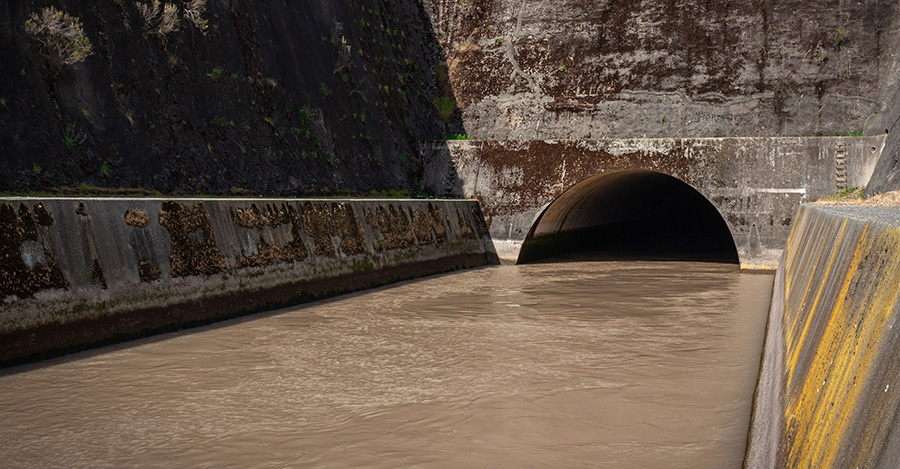
For local taxpayers, the financial fallout is both direct and compounding. Our municipal stormwater systems are designed to move water, not solid earth. When dirt enters those underground pipes and culverts, it settles and clogs the system. This leads to localized street flooding during even minor rainfall events, wears down our asphalt faster, and forces city crews to use expensive hydro-vacuum equipment to clear the lines, all on the taxpayer's dime.
The consequences flow downstream, hitting our water treatment plants and public recreation areas. If your city draws drinking water from local rivers, high "turbidity", the cloudiness caused by these floating particles, creates a major operational headache. There is a direct, undeniable link between turbid source water and skyrocketing maintenance costs at treatment plants (Heberling et al., 2022). Facilities have to use more chemical coagulants to remove silt from the water and clean their filters more frequently, which spikes public utility budgets (Cui et al., 2020). Eventually, that dirt settles for good in our public lakes and reservoirs, requiring multi-million-dollar dredging projects to restore depth and save aquatic habitats.
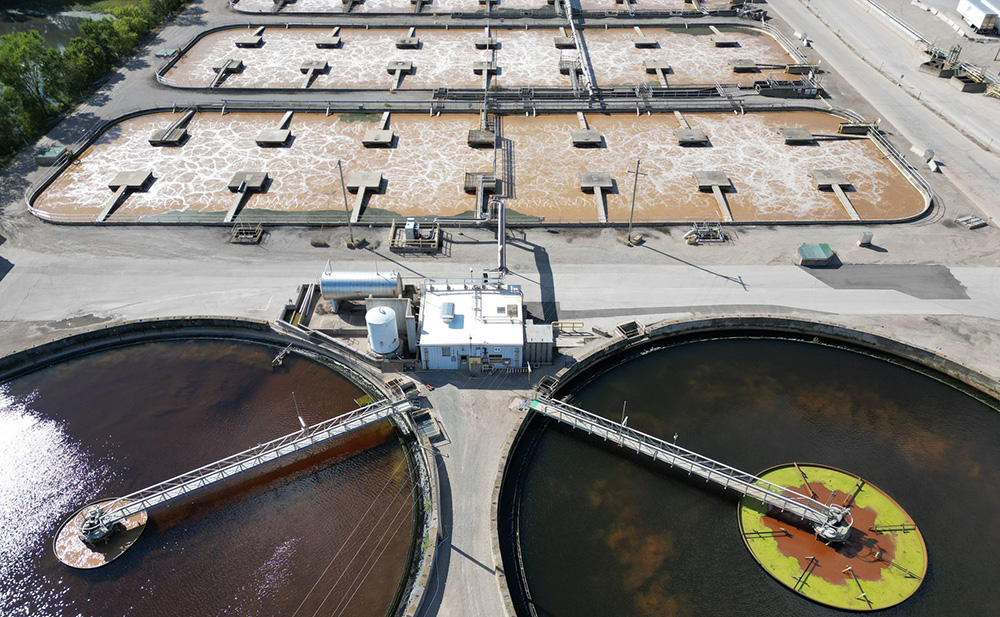
Technically, the CWA has a solution for this, the National Pollutant Discharge Elimination System (NPDES) program. This program requires any construction site disturbing an acre or more to have a permit and a clear Stormwater Pollution Prevention Plan (SWPPP). Developers are legally required to use tools such as silt fences and sediment basins. So why is our water still brown? The system breaks down when it comes to local enforcement. For many developers, a small fine for a faulty fence is just a minor cost of doing business, and far cheaper than stopping work to stabilize a slope. Meanwhile, city inspectors are often stretched too thin, trying to watch hundreds of sites with a handful of people.
To safeguard financial and water resources, cities need to start treating erosion control as a serious infrastructure priority. Ensuring proper education is available to construction companies and citizens alike is imperative. If we are all aware of the negative impacts of sedimentation, we can implement appropriate mitigation measures and hold responsible parties accountable. Environmental Risk Professionals has available Pollution Prevention Practices upon request for contractors interested in expanding their knowledge base. For large or more complex projects, cities could require that contractors be properly trained and properly insured before a single shovel hits the dirt. This would help to ensure that contractors or developers can rectify any excess run-off or sediment buildup they cause during construction. Finally, we can work smarter. Using drones to photograph construction sites after a big storm allows a small team to survey dozens of locations in hours, tracing sediment plumes back to their source with visual proof.
Economic growth is a good thing, but it should not come at the expense of our shared infrastructure or fiscal health. The CWA gives us the tools to treat sedimentation for what it really is, a preventable operational failure. By raising awareness of best practices for erosion and sedimentation control, increasing enforcement, and holding negligent operators accountable, local governments can protect our natural resources and ensure that our hard-earned tax dollars are not washed down the drain.

Authors

Elaina Long
Environmental Scientist
Environmental Risk Professionals
About Author

Elaina joined Environmental Risk Professionals as an Environmental Scientist in 2024. She has Bachelors of Arts degree in Environmental Science and Sustainability from Northern Arizona University.
In her role she assists with identifying environmental risks associated with various industries and generating documents aimed at helping companies understand the environmental risks associated with their operations. She also provides support for our CERC certification program, development of Operations and Maintenance (O&M) plans, and other risk-based services, as needed.